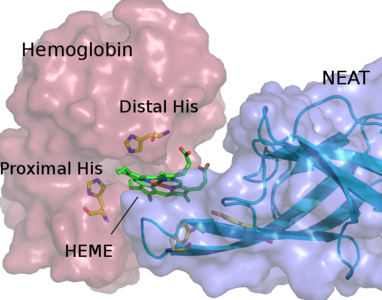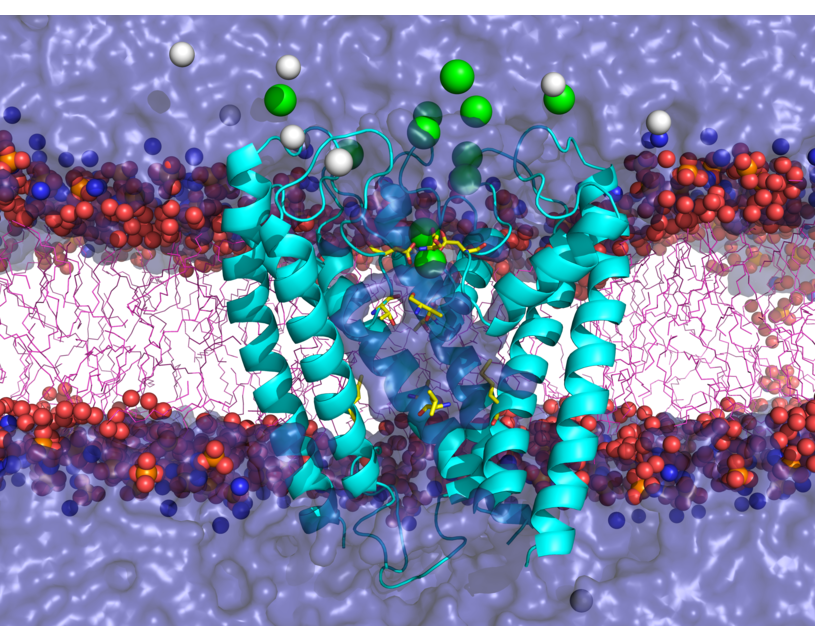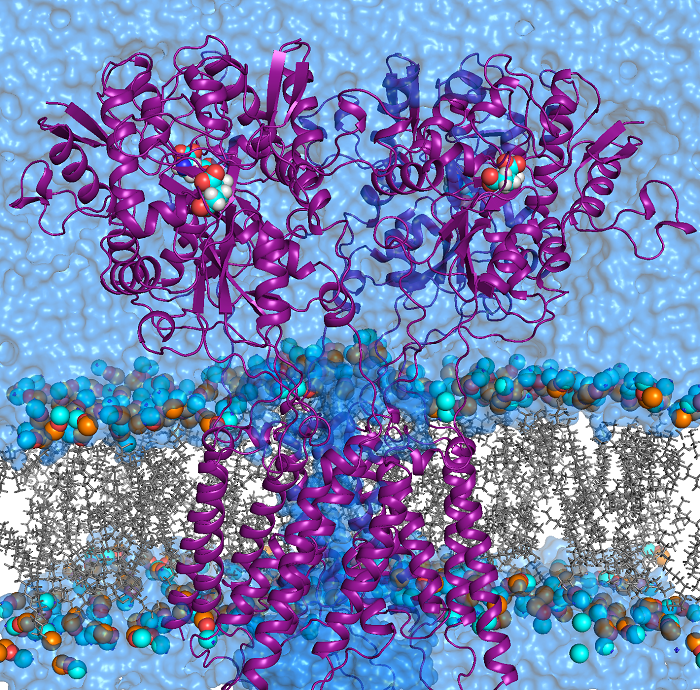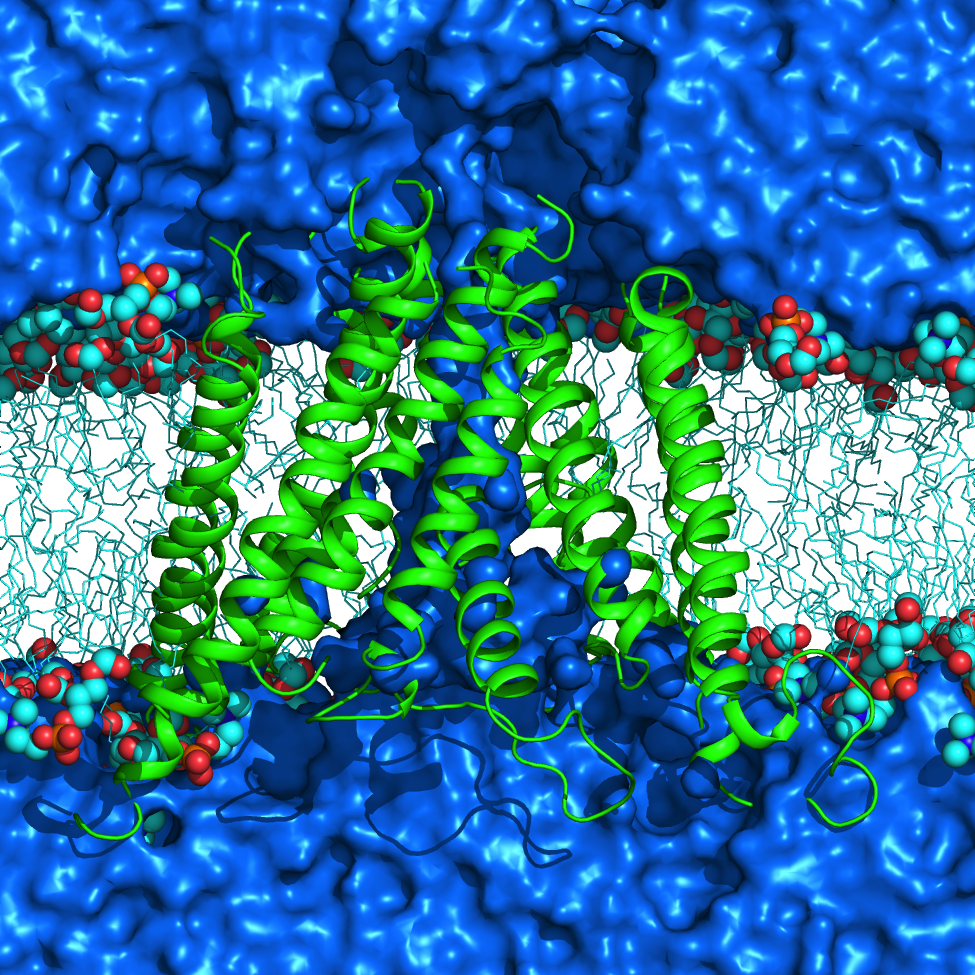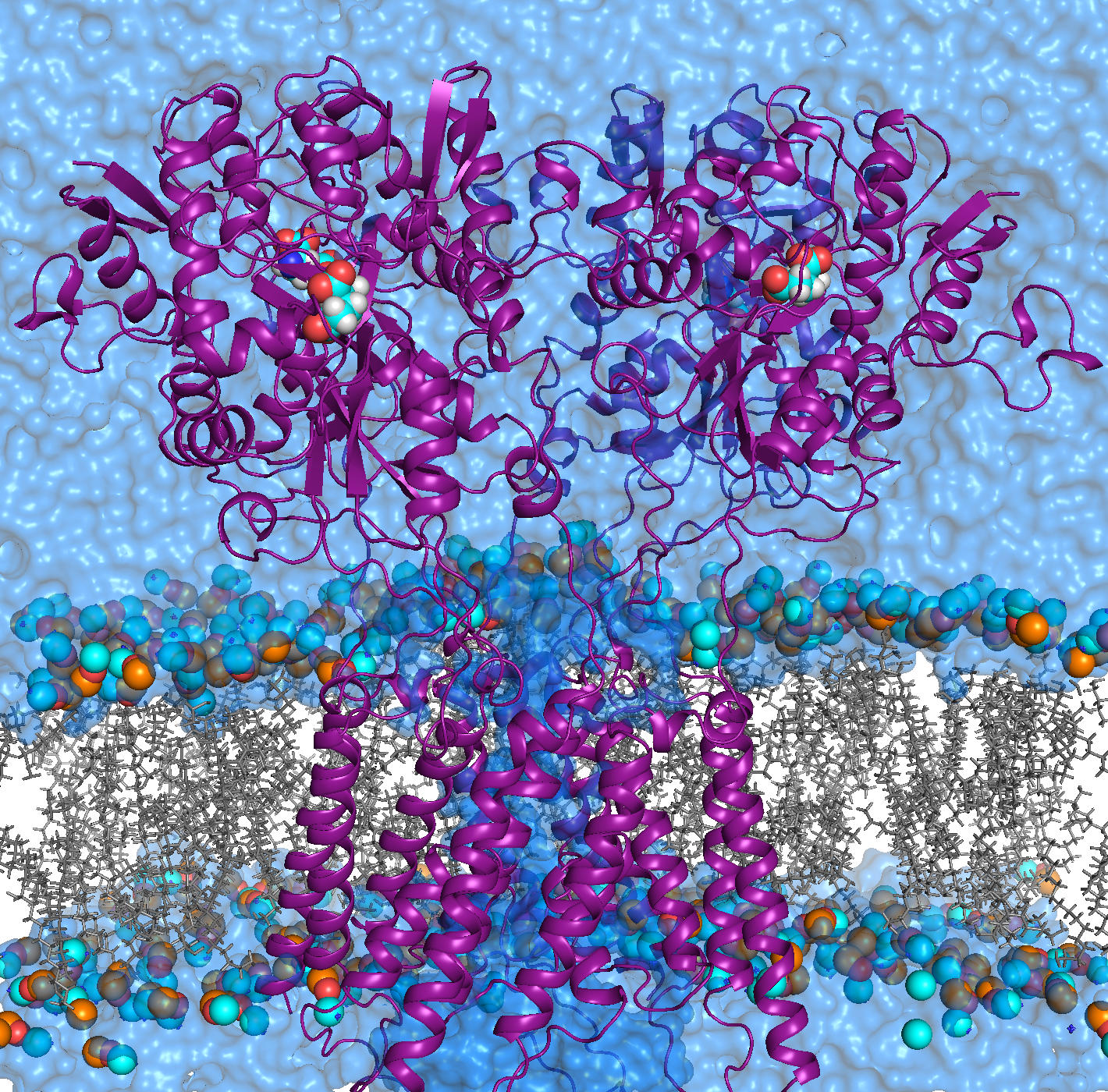
Our research is in the area of theoretical/computational chemistry and biophysics.
We are
especially interested in developing functional models of membrane
proteins, such as ion channels, signaling and regulatory proteins.
Functioning of membrane proteins is vital to human
health. Malfuncion of ion channels, for example, results in such disparate deseases as cystic fibrosis,
influenza, migraines and epilepsy. In brain and heart ion channels orchestrate all electrical signals, which are essencial for learning, memory, perseption and muscle control. In kidney, regulatory proteins are responsible for water balance and bone restoration. Almost 30% of modern drugs target membrane proteins. However, progress in target-specific
drug-development for membrane proteins has been hindered by their relatively
poorly understood mechanisms and structure.
Theoretical modeling
is one crucially important component for understanding structure-function
relationships in proteins. We are developing hierarchical models of ion channels and receptor proteins. The hierarchical models can span multiple time and length-scales needed to predict experimentally measurable properties, yet use fundamental laws of nature at the atomistic resolution. We use methods of computational chemistry: quantum mechanics, molecular dynamics and continuum electrostatics, as well as docking algorithms, drift-diffusion equations and homology modeling.
Some of the projects we are working on are described in Research